The Future of Conveyor Rollers in Mining and Heavy Industry
The mining and heavy industry sectors are undergoing a significant transformation.
As operations continue to pursue higher efficiency, lower maintenance costs, and longer equipment service life, conveyor systems are receiving more attention than ever before. Among all conveyor components, rollers play a critical role in maintaining system stability, reducing downtime, and protecting conveyor belts under demanding operating conditions.
For decades, traditional steel rollers have been widely used across mining, cement, power generation, ports, and bulk material handling industries. However, changing operational requirements and increasingly harsh environments are driving the industry to reconsider what future conveyor rollers should deliver.
Growing Demands on Conveyor Systems
Modern bulk material handling systems are operating under more challenging conditions than in the past.
Mining operations today often involve:
● Longer conveying distances
● Higher material throughput
● Continuous 24/7 operationSevere dust accumulation
● Moisture and corrosion exposure
● Heavy impact loading
becoming a more important consideration.
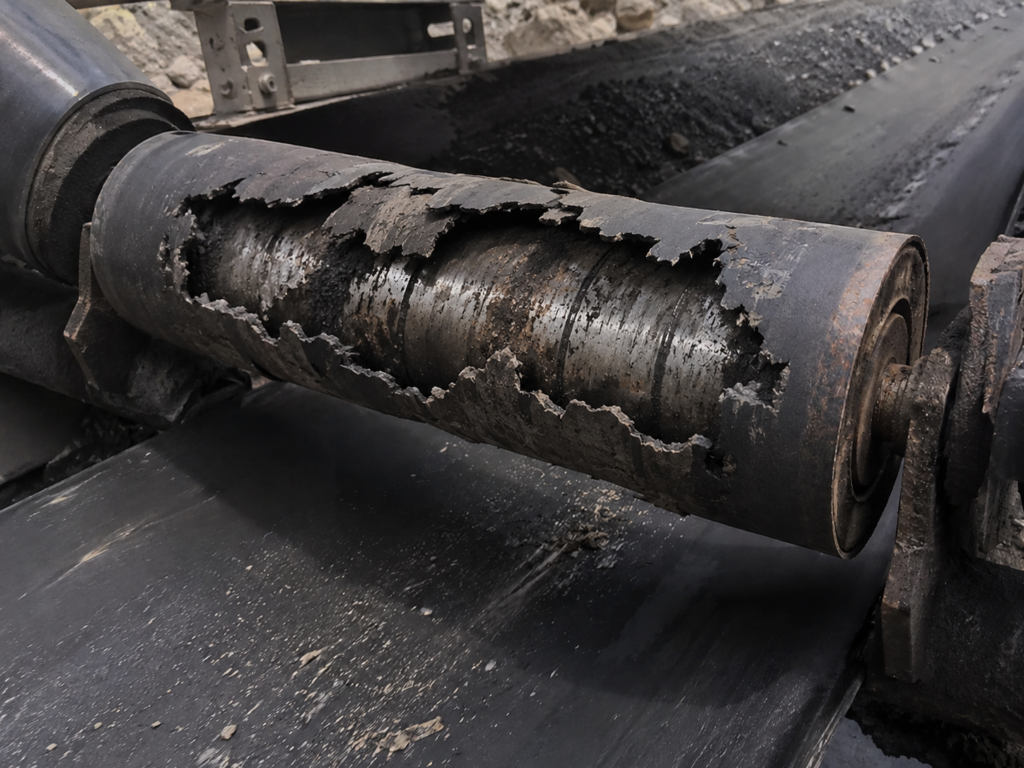
Under these conditions, conveyor components experience constant wear and stress. Even small failures in rollers can lead to serious operational problems, including conveyor belt damage, material spillage, increased maintenance frequency, and unplanned shutdowns.
As a result, companies are no longer evaluating rollers based only on initial purchase cost. Long-term operational reliability is becoming a more important consideration.
The Shift Toward Lower Maintenance Solutions
One of the most noticeable industry trends is the growing focus on maintenance reduction.
In large-scale mining operations, replacing failed rollers can be time-consuming and expensive, especially in difficult environments or remote locations. Maintenance shutdowns not only increase labor costs but can also interrupt production schedules.
Because of this, operators are increasingly looking for conveyor roller solutions that offer:
☑ Improved wear resistance
☑ Reduced surface damage
☑ Better corrosion resistance
☑ Lower material build-up
☑ Longer operational lifespan
☑ Reduced risk of belt damage
This shift is encouraging the development and adoption of alternative roller materials and new structural designs.
Material Innovation Is Becoming More Important
Traditionally, steel has been the dominant material for conveyor rollers due to its strength and availability. However, steel rollers also face several limitations in harsh operating environments.
In high-moisture or highly abrasive conditions, steel surfaces may experience:
● Corrosion
● Surface wear
● Material adhesion
● Increased noise
● Severe shell damage over time
When steel rollers become damaged, sharp or deformed surfaces may eventually affect the conveyor belt itself, potentially leading to expensive belt repairs or replacements.
As industries continue to prioritize reliability and lifecycle cost reduction, roller material selection is becoming a key area of innovation.
Today, some operations are beginning to evaluate alternative materials that can provide:
☑ Better anti-corrosion performance
☑ Lower wear rates
☑ Smoother operating surfaces
☑ Reduced risk of belt scratching
☑ Improved long-term stability
Rather than focusing only on strength, the industry is increasingly considering overall operational performance throughout the entire service life of the roller.
Smart Design and Real Operating Conditions
Another important trend is the growing emphasis on real-world operating performance.
In the past, roller selection was often based mainly on standard specifications. Today, many operators pay closer attention to how rollers actually perform under continuous heavy-duty conditions.
Factors such as:
▲ Dust sealing performance
▲ Bearing protection
▲ Rotational resistance
▲ Structural stability
▲ Impact resistance
▲ Surface durability
are becoming increasingly important during equipment evaluation.
Manufacturers are also investing more effort into testing products under real operating environments to better simulate the conditions found in mining and bulk material handling systems.
Sustainability and Energy Efficiency
Sustainability is also influencing the future development of conveyor systems.
Many industrial operations are now seeking solutions that can help reduce:
▶ Maintenance waste
▶ Equipment replacement frequency
▶ Energy consumption
▶ Overall operational costs
Longer-lasting conveyor components contribute to more sustainable operations by reducing resource consumption and minimizing downtime-related losses.
Although conveyor rollers may appear to be relatively simple components, their long-term impact on system efficiency and operational reliability is substanti
The Future of Conveyor Rollers
The future of conveyor rollers in mining and heavy industry will likely be shaped by three major factors:
1.Durability
Rollers must withstand increasingly demanding operating environments while maintaining stable long-term performance.
2. Lower Maintenance Requirements
Operations are looking for solutions that reduce maintenance frequency and minimize unexpected failures.
3. Material Innovation
The industry is gradually exploring new materials and designs that can outperform traditional solutions under harsh conditions.
As conveyor systems continue to evolve, roller technology will also continue advancing toward higher reliability, better wear resistance, and improved operational efficiency.
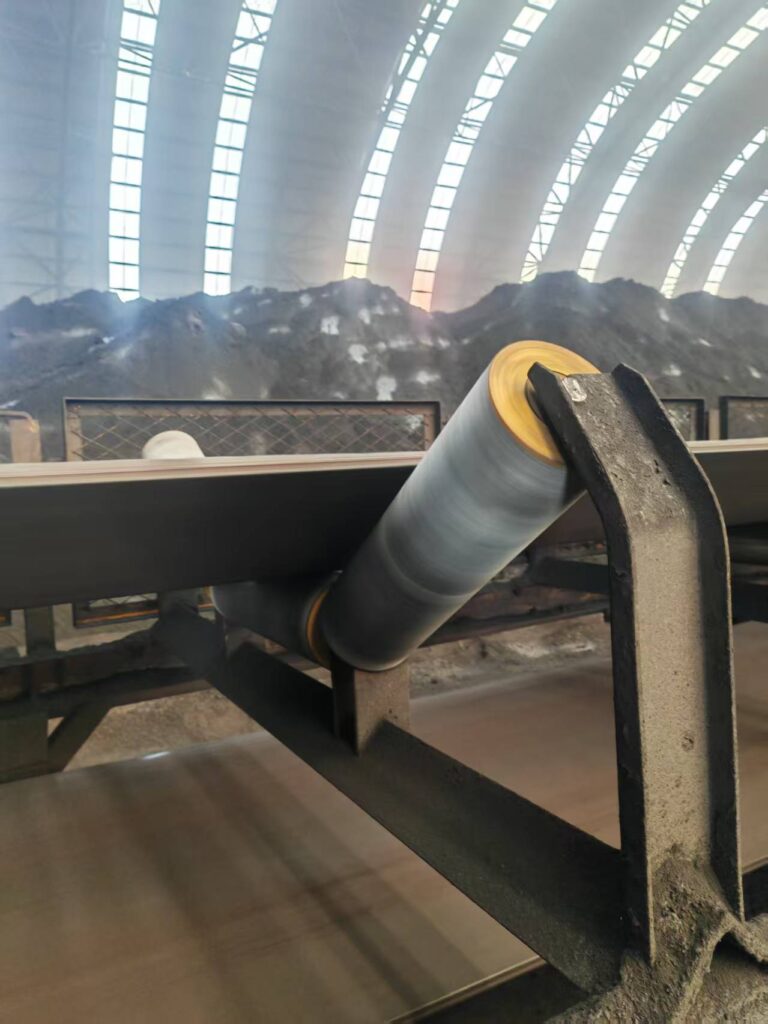
For mining and heavy industry operators, selecting the right roller solution is becoming not only a maintenance decision, but also a long-term operational strategy.
Get In Touch
Address
Unit 803, Qidu, Wushi Business Center, No. 768, Qishan North Road, Huli District, Xiamen, China
Email Us
sales@EnvisionRoller.com
Call Us
+86-592-2681031
+86-130-630-86860