Why Conveyor Rollers Fail Repeatedly — Causes and Solutions
Incorrect Roller Selection
Mismatch with Conveyor Requirements: Using the wrong roller type or size for a conveyor system leads to premature breakdown. For example, employing a roller not engineered for the system’s load, speed, or environment (temperature, humidity, dust) stresses the roller and accelerates failure.
Material Incompatibility: If the roller material doesn’t match the specific demands of the material being conveyed, it can wear out faster. For example, rollers made from low-quality metals may corrode in harsh environments, whereas rollers made from high-performance materials, such as Jiulongbi Stone, offer better resistance to wear and corrosion.
Improper Installation
Misalignment: Rollers that are misaligned during installation will not rotate smoothly, causing uneven wear and stress on the roller bearings and shaft. This misalignment can lead to friction, heat build-up, and ultimately failure of the roller.
Improper Sealing: If the roller is not sealed correctly, contaminants such as dust, water, or chemicals can enter the roller mechanism, damaging the bearings and causing the roller to fail prematurely.
Excessive Load or Stress
Overloading: Exceeding the roller’s load capacity can strain the roller bearings and cause premature wear. Even if the roller is replaced, if the system continues to operate beyond its load capacity, the new roller will fail in the same way.
Dynamic Impact Loads: In certain industrial environments (like mining or steel production), rollers are subjected to shock or impact loads due to irregularities in material flow or handling. These sudden forces can quickly degrade the roller’s integrity, leading to failure.
Poor Maintenance Practices
Lack of Regular Inspections: Conveyor rollers require periodic maintenance to ensure they are functioning properly. Without regular inspections, small issues like dirt buildup, misalignment, or bearing damage can go unnoticed, eventually leading to roller failure.
Inadequate Lubrication: Rollers, especially those with bearings, need proper lubrication to reduce friction and wear. Lack of lubrication or improper lubrication can lead to bearing failure and roller breakdown.
Environmental Factors
Harsh Conditions: Rollers used in extreme conditions—like high temperatures, corrosive environments, or exposure to heavy dust and moisture—can wear out quickly if they are not made from suitable materials. Metal rollers, for example, might corrode or rust in moist or chemical environments, leading to failure.
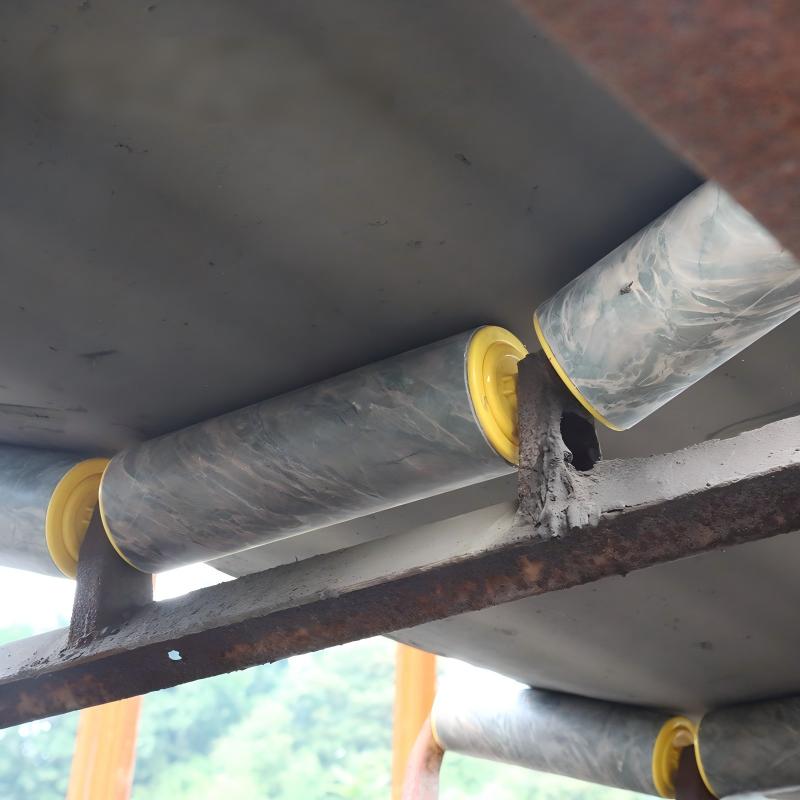
Contamination: Dust, debris, and other contaminants can get into the roller bearings or cause abrasion on the roller surface, leading to increased wear and failure.
Defective Roller Components
Low-Quality Bearings: The quality of the bearings in a roller is crucial to its longevity. Poor-quality bearings may wear out quickly, causing roller failure even after replacement. This issue can be mitigated by choosing rollers with high-quality bearings and ensuring proper sealing.
Weak Roller Shaft: The roller shaft must be durable enough to support the weight and stress of the conveyed material. A weak or improperly manufactured shaft may fail prematurely, even in a new roller.
Vibration and Dynamic Forces
Excessive Vibration: Vibrations in the conveyor system can cause the rollers to fail. These vibrations might be caused by irregularities in material flow, misalignment, or improper mounting. Continuous vibration can weaken roller components, leading to failure.
Poorly Balanced System: An unbalanced conveyor system can lead to uneven wear on the rollers. When rollers are subject to unbalanced forces, they can break down much faster, even if replaced regularly.
Failure to Address Root Causes
Ignoring Underlying System Issues: Often, the problem causing roller failure isn’t the roller itself but an issue within the conveyor system. For example, improper belt tension, misaligned pulleys, or poorly designed conveyor structures can create conditions that continuously damage the rollers.
Systemic Problems: Problems like unbalanced conveyor speeds, inconsistent material flow, or faulty motors can contribute to repeated roller failures. Replacing rollers without addressing these systemic issues will only result in another round of failures.
How to Prevent Roller Failures:
1. Proper Roller Selection: Choose rollers based on specific system needs, including load, speed, and environmental conditions.
2. Regular Maintenance: Implement regular inspections, lubrication, and alignment checks to prevent small issues from escalating.
3. Environmental Adaptation: Use high-performance rollers like Jiulongbi Stone Rollers, which are resistant to wear, corrosion, and high temperatures, especially in harsh environments.
4. Address Root Causes: Investigate and resolve systemic issues in the conveyor system to ensure that problems like misalignment, vibration, and overloading are mitigated.
5. Quality Components: Ensure the rollers have high-quality bearings, seals, and shafts to extend their lifespan and performance.
Get In Touch
Address
Unit 803, Qidu, Wushi Business Center, No. 768, Qishan North Road, Huli District, Xiamen, China
Email Us
sales@EnvisionRoller.com
Call Us
+86-592-2681031
+86-130-630-86860