华新水泥大治公司

Conveyor Roller Maintenance: Extend Service Life

Conveyor rollers are essential components in bulk material handling systems. Although they are relatively small compared with conveyor belts, drives, and structures, their performance directly impacts the reliability and efficiency of the entire conveyor system.
In industries such as mining, cement production, quarrying, and ports, conveyor rollers often operate continuously under challenging conditions, including heavy loads, abrasive materials, dust, moisture, and impact forces. Without proper maintenance, roller failures can lead to increased energy consumption, belt damage, unexpected downtime, and higher operating costs.
A well-planned conveyor roller maintenance strategy can help companies identify potential problems early, extend component service life, and maintain stable production.

Why Conveyor Roller Maintenance Matters?

Many conveyor failures do not happen suddenly. In most cases, roller problems develop gradually due to wear, contamination, or operating conditions.
A damaged or seized roller can create additional resistance between the roller and conveyor belt. Over time, this may result in the following:

● Increased friction and energy consumption

● Conveyor belt wear or damage

● Reduced conveying efficiency

● Higher maintenance costs

● Unexpected production interruptions

Regular inspection and preventive maintenance allow operators to detect problems before they become major failures, helping reduce avoidable downtime.

Common Conveyor Roller Problems During Operation

1. Bearing Failure

Bearings are among the most critical components in conveyor rollers. They allow the roller to rotate smoothly with minimal resistance.
However, bearings can fail due to:

● Dust entering the bearing housing.

● Poor sealing performance

● Insufficient lubrication

● Excessive loading

● Long-term operation under harsh conditions

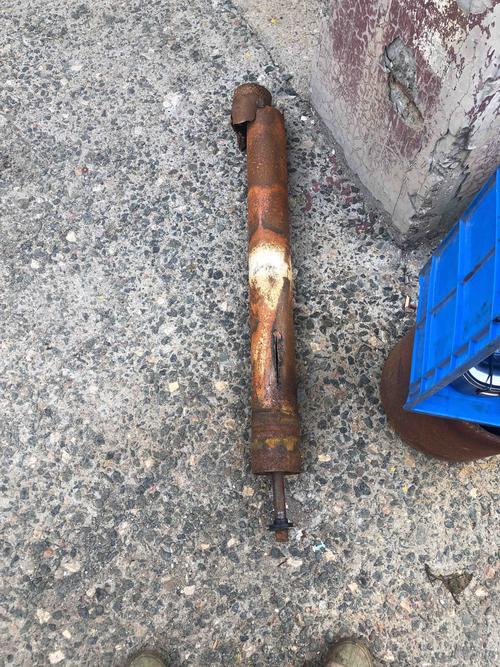
When a bearing starts to fail, operators may notice:

● Abnormal noise

● Increased roller resistance

● Higher operating temperature

● Roller seizure

A failed bearing can stop the roller from rotating, causing the conveyor belt to slide directly over the roller surface and increasing belt wear.

2. Protect Bearings from Contamination

Bearing protection is critical for long-term roller performance.
Effective sealing systems help prevent:

● Dust penetration

● Water ingress

● Lubricant contamination
In mining and quarrying environments, where fine particles are constantly present, high-quality sealing is essential.
c08a86e21ee917679a795fa94478377b
华新水泥大治公司

3. Monitor Wear Before Failure

Waiting until a roller completely fails can create unnecessary downtime.
Preventive monitoring methods include:

● Regular visual inspection

● Measuring roller diameter changes

● Checking vibration levels

● Monitoring unusual sounds

● Recording replacement history

By tracking roller conditions, maintenance teams can replace components at the optimal time.

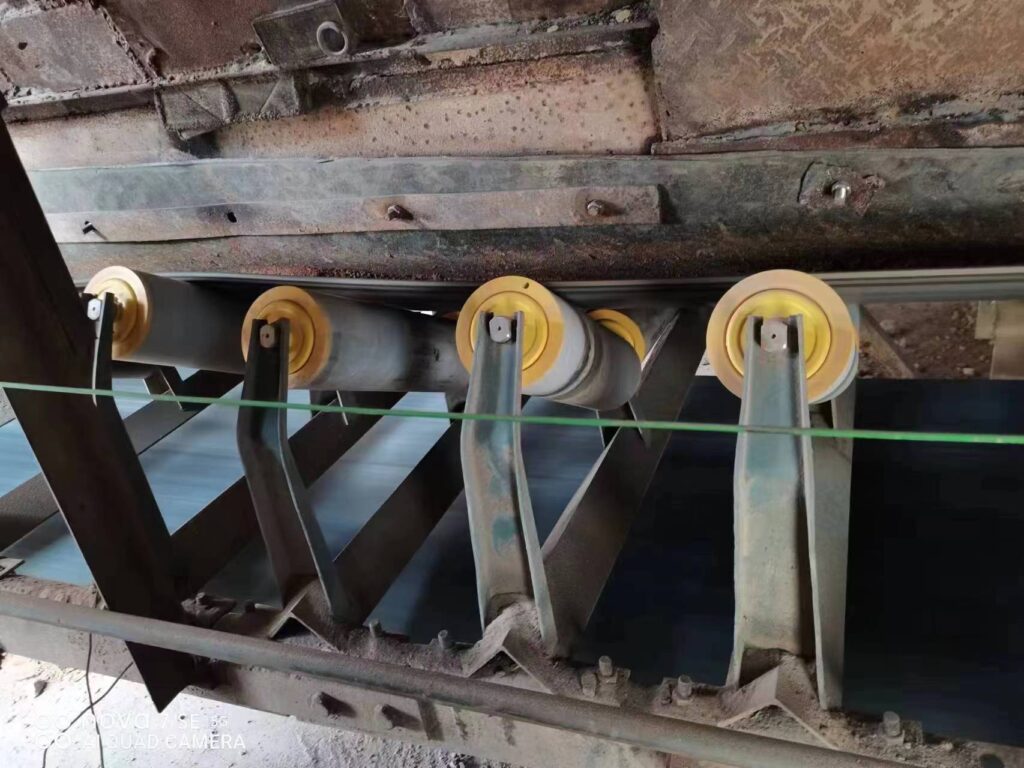
4. Keep Conveyor Systems Properly Aligned

Incorrect alignment can increase stress on rollers and conveyor belts.
Common causes include:

● Incorrect roller installation

● Damaged conveyor structures

● Uneven loading

● Material accumulation

Proper alignment reduces friction and helps rollers operate more efficiently.

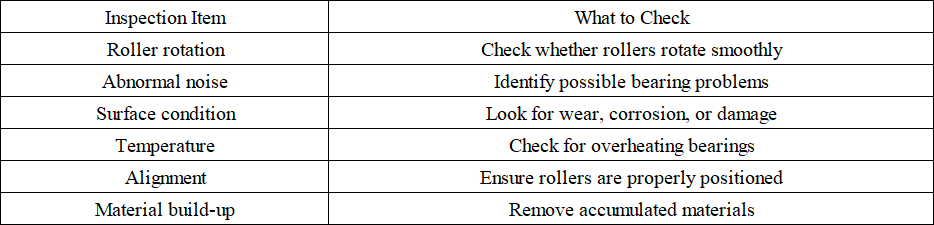
Conveyor Roller Inspection Checklist

A regular inspection program helps identify early signs of failure.
1
For large conveyor systems, combining visual inspection with condition monitoring can improve maintenance efficiency.

Best Practices to Extend Conveyor Roller Service Life

1. Select the Right Roller for the Application

One of the most important maintenance decisions is choosing the correct roller type before installation.
Different operating environments require different characteristics:

● Heavy impact areas require stronger structures.

● Abrasive materials require wear-resistant surfaces.

● Wet environments require better corrosion resistance.

● High-load applications require suitable load capacity.

Using an unsuitable roller can lead to frequent replacement and increased maintenance costs.

2. Protect Bearings from Contamination

Bearing protection is critical for long-term roller performance.
Effective sealing systems help prevent:

● Dust penetration

● Water ingress

● Lubricant contamination
In mining and quarrying environments, where fine particles are constantly present, high-quality sealing is essential.

3. Monitor Wear Before Failure

Waiting until a roller completely fails can create unnecessary downtime.
Preventive monitoring methods include:

● Regular visual inspection

● Measuring roller diameter changes

● Checking vibration levels

● Monitoring unusual sounds

● Recording replacement history

By tracking roller conditions, maintenance teams can replace components at the optimal time.

4. Keep Conveyor Systems Properly Aligned

Incorrect alignment can increase stress on rollers and conveyor belts.
Common causes include:

● Incorrect roller installation

● Damaged conveyor structures

● Uneven loading

● Material accumulation

Proper alignment reduces friction and helps rollers operate more efficiently.

How Wear-Resistant Rollers Reduce Maintenance Requirements

For industries handling highly abrasive materials, roller material selection plays an important role in reducing maintenance frequency.
Jiulongbi Stone Rollers are developed for demanding conveying environments where conventional steel rollers may experience rapid surface wear.
The natural hardness and wear resistance of Jiulongbi stone provide advantages such as:

● Stable surface performance under abrasive conditions

● Reduced wear during long-term operation

● Lower frequency of roller replacement

● More reliable conveyor operation

By maintaining a durable running surface, wear-resistant rollers can help reduce maintenance requirements and improve overall conveyor availability.

The Importance of Preventive Maintenance in Heavy Industry

In mining and heavy industries, conveyor systems often operate continuously. Even short interruptions can result in significant production losses.
A preventive maintenance approach helps companies:

● Improve equipment reliability

● Reduce unexpected shutdowns

● Extend component lifespan

● Lower total operating costs

However, maintenance alone cannot solve every problem. Choosing the right roller design and material from the beginning is equally important.
Conveyor rollers play a critical role in maintaining efficient and reliable bulk material handling systems. Regular inspection, proper maintenance practices, and selecting suitable roller materials can significantly reduce failures and extend service life.
For harsh environments involving heavy loads and abrasive materials, investing in durable roller solutions can help companies achieve more stable operation, lower maintenance requirements, and improved long-term performance.
The right conveyor roller is not only a replacement component — it is an important factor in the reliability and efficiency of the entire conveyor system.

Get In Touch

Address

Unit 803, Qidu, Wushi Business Center, No. 768, Qishan North Road, Huli District, Xiamen, China

Email Us

sales@EnvisionRoller.com

Call Us

+86-592-2681031

Whatsapp

+86-130-630-86860

Follow us

Leave a Comment

Your email address will not be published. Required fields are marked *